What is a themed world?
A “themed world” in Pop Play is a complete visual re-skin of every game in the app. Pick a world from the cosmetics screen, and from that point on:
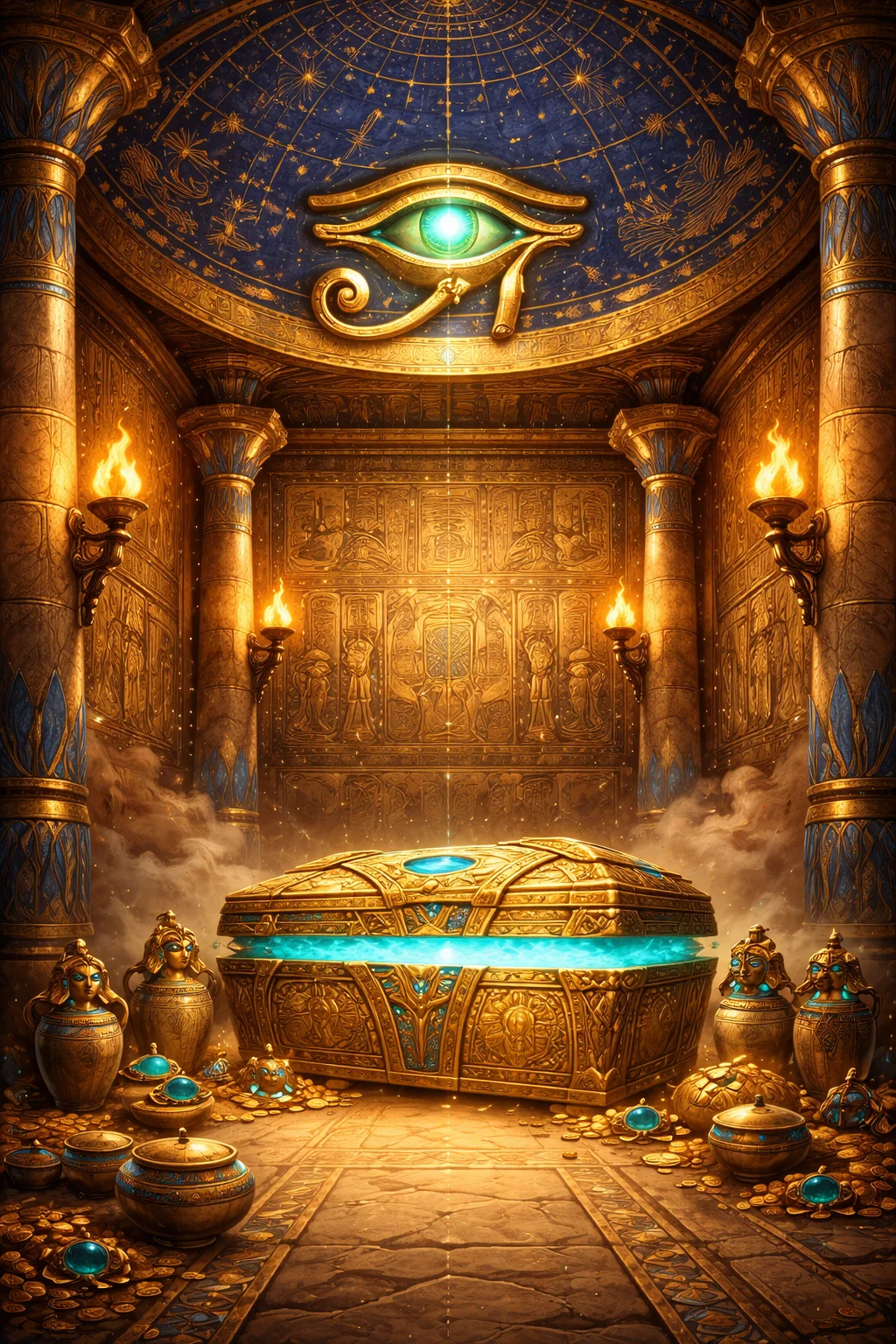
- The board background changes — Egyptian Tomb gets sandstone walls and torchlight; Neon Cyberpunk City gets glowing magenta grid-lines.
- The pieces change — different visual treatments while maintaining identical hit-targets.
- The ambient details change — particles, lighting, animations, even some sound cues.
What does NOT change:
- Rules. Mancala in Egyptian Tomb plays exactly like Mancala in Cherry Blossom Garden. Connect 4 doesn’t add new columns when you switch to Lava Kingdom.
- Game balance. The app is competitive. Cosmetics never affect outcomes.
- Hit targets. A button in one world is the same size as the same button in another world.
Why themed worlds exist
Three reasons:
1. Visual variety prevents “I’ve seen this before”
Most multi-game apps look identical from session to session. The same wood-grain board, the same chess-piece typography, the same coin icons. After 50 sessions you stop seeing the visuals — they fade into background noise.
Pop Play uses themed worlds as the antidote. Switching from “Bamboo Forest” to “Neon Cyberpunk City” makes the same Reversi match feel like a different game even though every rule and timing is identical. The novelty refreshes engagement without changing balance.
2. Self-expression matters in PvP
In a multiplayer game, your equipped cosmetic is a visible signal to your opponents. “I always play in Frozen Tundra” becomes part of your identity. This is the same dynamic that makes skins valuable in League of Legends or Fortnite — except in Pop Play, every skin is earnable through normal play (no real-money requirement).
3. Different games suit different aesthetics
Some games visually demand specific environments. Mancala feels right in Egyptian Tomb (its actual region of origin). Onitama is at home in Samurai Temple. Sea Battle belongs in Underwater Coral Reef. Themed worlds let each game lean into its natural visual language.
The 51 worlds
The full roster, grouped by aesthetic family:
Ancient & Cultural (12 worlds)
African Savanna · Egyptian Tomb · Arabian Nights · Greek Olympus · Roman Colosseum · Persian Garden · Mayan Temple · Samurai Temple · Jade Court · Cherry Blossom Garden · Bamboo Forest · Viking Longhouse
Fantasy & Mythology (10 worlds)
Dragon Lair · Wizard Tower · Elven Kingdom · Phoenix Nest · Lava Kingdom · Crystal Cavern · Fairy Mushroom Grove · Floating Islands · Atlantis · Celestial Palace
Natural Environments (12 worlds)
Cherry Blossom Garden · Spring Meadow · Autumn Harvest · Frozen Tundra · Tropical Paradise · Northern Lights Wilderness · Underwater Coral Reef · Deep Ocean Abyss · Jungle Ruins · Bamboo Forest · Zen Garden · Stormy Night
Modern & Sci-Fi (8 worlds)
Neon Cyberpunk City · Steampunk Workshop · Space Station · Alien Planet · Clockwork Tower · Volcanic Forge · Pirate Cove · Sunken Ship
Atmospheric & Special (9 worlds)
Haunted Mansion · Moonlit Graveyard · Wild West Saloon · Medieval Castle · Game Night · Candy Kingdom · Chinese New Year · Colourful Festival · Rainbow Bridge
(That’s 51 total — a few worlds appear in multiple categories aesthetically.)
Pairings: which worlds suit which games
This isn’t enforced — you can play any game in any world. But certain pairings hit differently:
Onitama
- Samurai Temple — period-accurate. Onitama’s card aesthetic is Japanese feudal; Samurai Temple’s stone halls and lantern lighting match.
- Bamboo Forest — meditative, fits Onitama’s slow-strategic pace.
- Jade Court — minimal, clean lines suit the abstract board.
- Cherry Blossom Garden — soft pinks against Onitama’s clean blacks/whites.
Mancala
- African Savanna — closest to mancala’s actual cultural origins.
- Egyptian Tomb — Egypt was where the earliest archaeological evidence was found.
- Jungle Ruins — captures the centuries-of-cultural-spread dimension.
- Arabian Nights — mancala’s spread along trade routes through the Middle East.
Santorini
- Greek Olympus — same mythological heritage.
- Roman Colosseum — Mediterranean architectural cousin.
- Floating Islands — captures the climbing aesthetic.
- Celestial Palace — heaven imagery for the dome-cap victory.
Connect 4 (Join 4)
- Neon Cyberpunk City — the geometric grid feels right in an electric magenta-and-cyan environment.
- Candy Kingdom — playful, family-friendly.
- Crystal Cavern — clean, sparkly.
- Alien Planet — abstract.
Sea Battle
- Atlantis — most thematic.
- Underwater Coral Reef — visually distinctive.
- Pirate Cove — pirate-ship vibes.
- Floating Islands — sky-fleet alternative.
Greedy Dice (Pig)
- Lava Kingdom — fits the “high stakes” feel.
- Pirate Cove — pirate gambling.
- Dragon Lair — gold-hoard imagery.
- Arabian Nights — bazaar vibes.
How worlds are made
Each themed world is a custom illustrated bg.webp (the in-game environment) plus a bg_home.webp (the home-screen preview), with carefully tuned colour palettes that the game UI reads from at runtime.
The art direction is meant to feel playful and game-y, not photorealistic. Pop Play’s brand sits in the casual-premium space — closer to Marvel Snap’s stylized aesthetic than to a chess simulator’s wood-grain realism. Themed worlds lean into this with bright, saturated palettes and clear visual storytelling.
The current 51 worlds were illustrated over an extended period. New worlds are added periodically — when shipped, they’re available immediately to all players.
Why so many?
51 might seem excessive. The reason: in a 19-game collection app, players spend hundreds of hours total across all games. Variety stops feeling like a luxury and starts feeling like a necessity around the 100-hour mark. 51 worlds means you can play a different aesthetic every other day for a month and not repeat.
It also gives players collection goals beyond just winning matches — pursuing specific worlds, earning rare ones, equipping the world that matches the season or your mood.
Earning worlds
Worlds in Pop Play unlock through normal gameplay:
- Daily rewards sometimes include a world unlock.
- Match wins contribute to a unlock progression.
- Special events rotate featured worlds with bonus unlock paths.
- In-app purchases for players who want to skip the unlock grind.
No world is locked behind real money exclusively — every world is earnable through play. The IAP path is purely for time-poor players who want immediate access.
What’s next
The 51 worlds are a snapshot of the current state. New worlds are added periodically based on:
- Game shipping. When a new game ships (Onitama, Santorini, Abalone all came with 1-2 specifically-fitting new worlds).
- Seasonal events. Worlds like Cherry Blossom Garden get featured around their seasonal moments.
- Player suggestions. The Pop Play subreddit and Discord have suggested several worlds (some shipped, some on the backlog).
If you have a world you’d love to see added — Aztec Pyramid, Saharan Desert, Bonsai Garden — email it to [email protected]. Surprisingly often these get built.